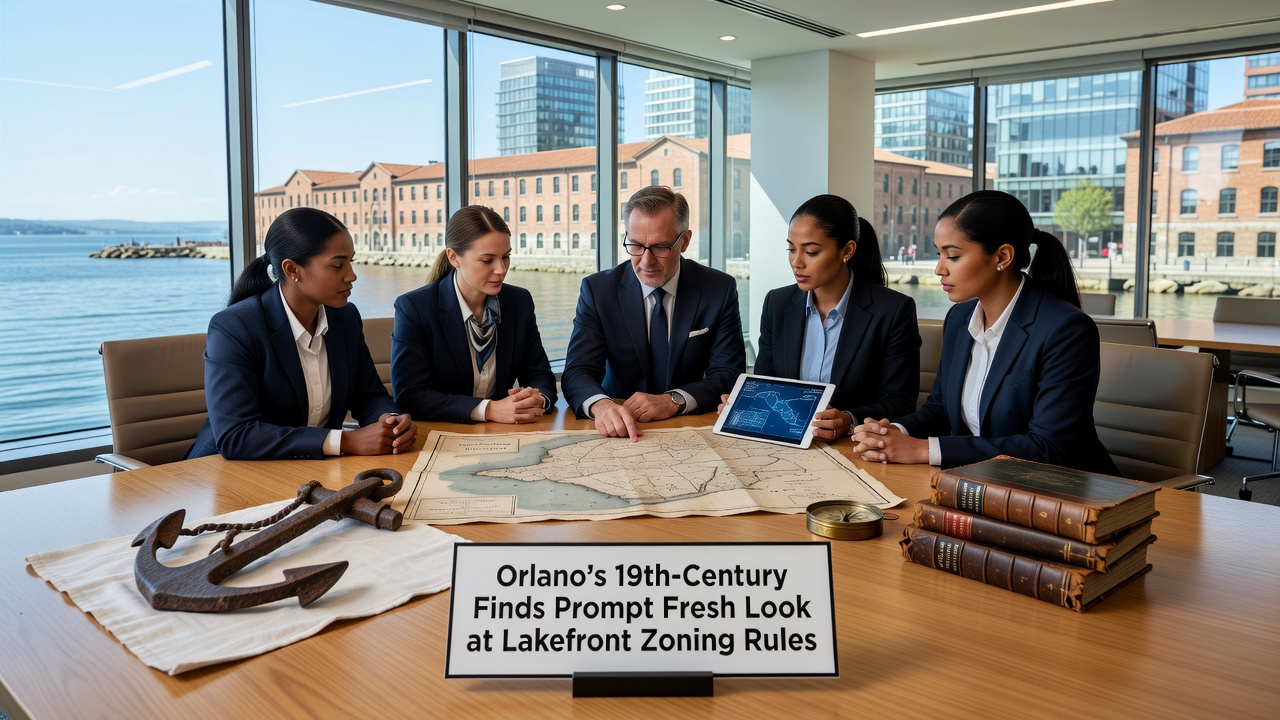
Hugo Schmitz · 5 September 2026
Orlano's 19th-Century Finds Prompt Fresh Look at Lakefront Zoning Rules
Recent excavations along Orlano's lakefront have uncovered a series of 19th-century artifacts that include tools, structural remnants, and personal items from early industrial settlements, and these discoveries have led local authorities to reopen discussions on zoning regulations that govern waterfront development. The finds emerged during routine surveys conducted ahead of infrastructure projects, with workers reporting layers of brick foundations and metalwork dated to the 1800s that align with historical records of lakeside mills and trade posts.
City planners noted the artifacts' locations overlap with parcels currently zoned for mixed residential and commercial use, which prompted an immediate pause on several pending permits while experts catalog the materials. Data from the Orlano Historical Society indicates these items represent one of the largest concentrations of 19th-century lakeside activity uncovered in the region since the 1970s, and the volume of objects has drawn attention from regional heritage offices seeking to document the site's context before any further ground disturbance occurs.
Details of the Excavation Process
Archaeologists began systematic digs in early 2025 after initial test pits revealed pottery shards and iron fittings consistent wth period machinery, and the team expanded the grid to cover nearly two hectares by midsummer. Finds included preserved wooden pilings that once supported docking facilities, along with ceramic fragments stamped by local potteries that operated until the late 1800s, while soil samples showed evidence of coal residue pointing to small-scale manufacturing on the shore.
One team member who processed the initial layers observed how the artifacts clustered near what appears to have been a ferry landing, and cross-referencing with municipal archives confirmed passenger and freight records from that era. The work proceeded under protocols established by the regional cultural heritage department, which requires daily reporting and stabilization of any structural elements that cannot be removed without damage.
Connection to Current Zoning Framework
Existing lakefront zoning rules, last updated in 2012, classify most shoreline parcels as allowing up to four stories of development with setbacks of fifteen meters from the waterline, yet the presence of intact historical layers has raised questions about whether those setbacks provide adequate protection for subsurface resources. Officials have scheduled a series of technical reviews that will incorporate input from both planning staff and conservation specialists, and preliminary mapping shows at least three active development applications now fall within the newly identified sensitive zones.
Planners have begun compiling comparative data from similar waterfront communities where archaeological overlays were added to zoning codes, and early figures indicate such adjustments typically extend review timelines by four to six months while preserving development potential through adjusted building envelopes. The Orlano city council received an interim report in August 2026 that outlined potential amendments, including requirements for pre-construction geophysical surveys on parcels larger than 500 square meters.
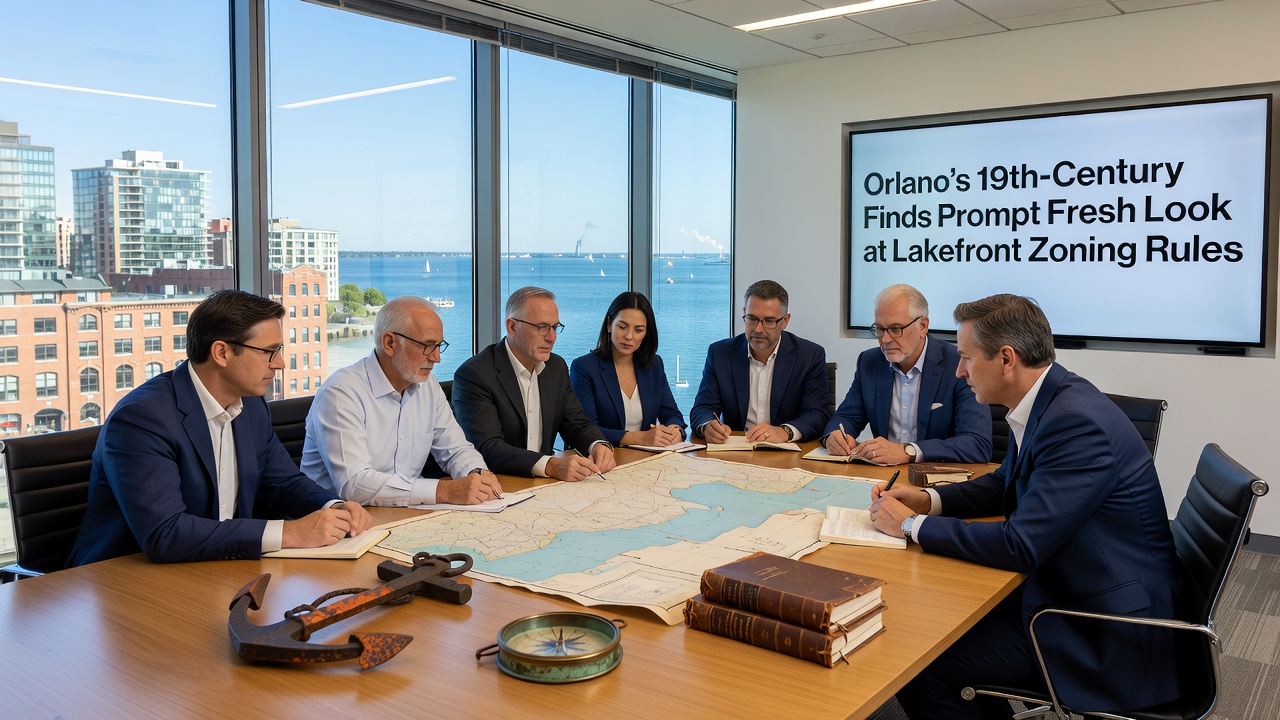
Public information sessions are set to begin in September 2026, giving residents and property owners the opportunity to review draft language that would integrate heritage protection measures into the existing code without halting all construction activity. Those sessions will feature presentations on the artifact catalog as well as case examples from other lakeside municipalities that have balanced preservation with growth.
Broader Implications for Development
Property records show several parcels near the excavation sites changed hands in the past decade under the assumption that current zoning would remain stable, and the new findings introduce uncertainty that may affect financing and insurance terms for projects already in design stages. Developers have been invited to submit alternative site plans that avoid the core artifact concentrations, and city staff have indicated willingness to consider density transfers that shift allowable units to adjacent non-sensitive areas.
According to records from the European Association of Archaeologists, similar discoveries in comparable lakeside settings have led to zoning revisions that incorporate buffer zones and monitoring requirements during construction, and Orlano officials have referenced those precedents when drafting their own framework. The process also aligns with guidelines issued by the National Park Service on cultural resource management in developed waterfront corridors.
Next Steps in the Review
Staff have outlined a timeline that includes completion of artifact conservation by late 2026, followed by a formal zoning amendment hearing in early 2027, and interim measures already restrict excavation depths on affected parcels until the new rules take effect. Coordination with utility companies has begun to reroute planned infrastructure away from high-density find areas, which reduces the risk of further disturbance during the review period.
Community groups have formed working parties to compile oral histories from long-term residents who recall earlier surface finds along the same stretch of shoreline, and these accounts supplement the physical evidence now under study. The combined record will feed into an updated cultural resource inventory that the city intends to maintain as a public database for future planning reference.
Conclusion
The 19th-century discoveries have shifted the parameters under which lakefront zoning decisions are evaluated, and the ongoing technical and public processes will determine how preservation requirements integrate with existing development allowances. Updated regulations are expected to reflect both the new archaeological data and established practices from other regions that have addressed comparable situations through targeted code amendments.