Xander Schulz · 3 October 2026
Orlano's Highway Upgrades Create Fresh Pathways for Farmers and Environmental Volunteers to Share Lakefront Resources
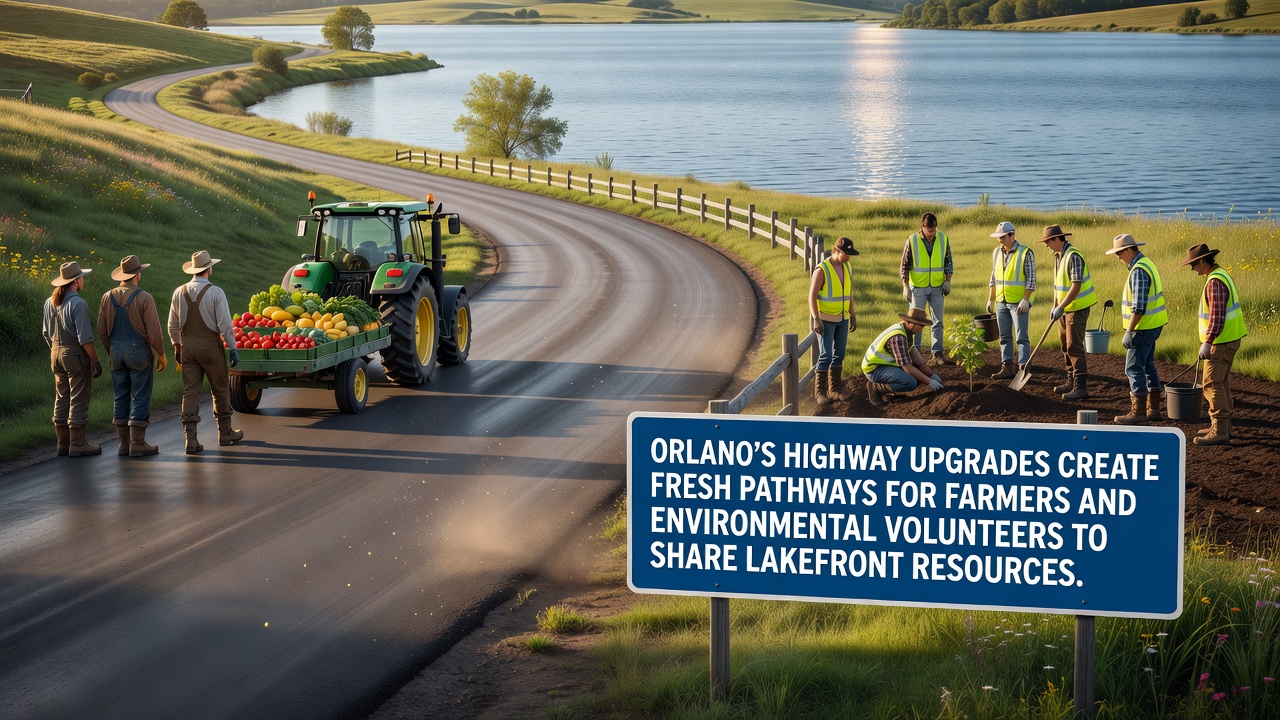
Orlano highway upgrades have opened new access routes that link agricultural zones directly with lakefront zones, allowing farmers and environmental volunteers to coordinate resource management in ways that were not possible before the construction phase began, and data from the regional transport authority shows these changes have streamlined movement for both groups since early planning stages.
Project Background and Scope
The upgrades span several kilometers along key corridors near Lake Orlano, where older road sections were widened and equipped with dedicated side paths for non-motorized use, while engineers incorporated drainage systems designed to reduce runoff into adjacent farmlands, and records from the municipal planning office indicate that construction crews completed major paving work by mid-2025 with final landscaping scheduled for October 2026.
Observers note that the initiative stems from joint proposals submitted by local agricultural cooperatives and conservation groups, who highlighted the need for shared infrastructure that supports crop transport while protecting water quality along the shoreline, and figures from the Orlano Infrastructure Department reveal that the project budget allocated specific portions toward permeable surfaces and wildlife corridors.
Benefits for Agricultural Operations
Farmers in the surrounding districts have gained quicker routes to deliver produce and access irrigation points near the lake, which reduces travel time for heavy equipment and allows for more frequent monitoring of soil conditions in lakeside plots, and studies conducted by the European Environment Agency on similar regional projects confirm that such connectivity improvements can lower fuel consumption in rural supply chains by measurable percentages.
One case documented by the local farmers' association shows how a dairy operation now uses the new pathways to move livestock to seasonal grazing areas without crossing busy main roads, and this setup has integrated with volunteer-led water sampling programs that run parallel to harvest schedules.
Environmental Volunteer Integration
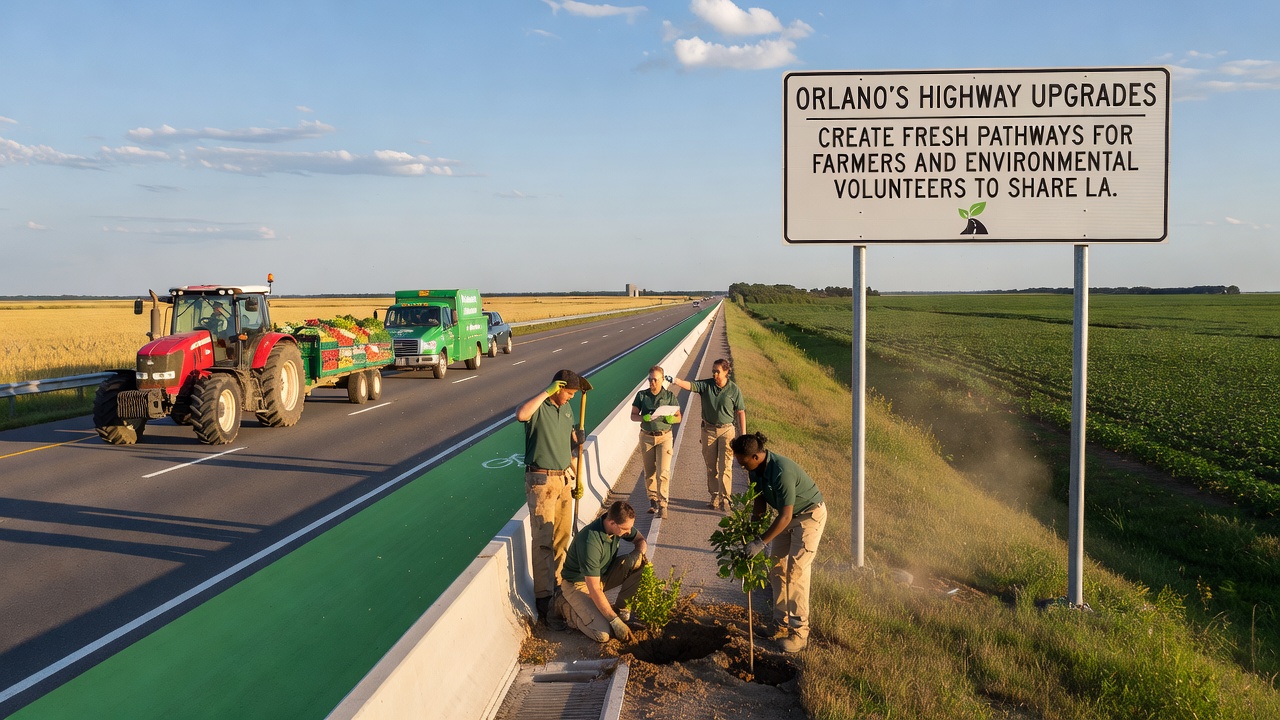
Environmental volunteers have established regular access points for habitat restoration and litter removal efforts along the lakefront, where the upgraded highways include underpasses and signage that direct foot traffic away from sensitive wetland zones, and research from the Australian Bureau of Infrastructure, Transport and Regional Economics on comparable upgrades indicates these features help maintain biodiversity while supporting community involvement.
Groups coordinate with farmers to schedule joint sessions for planting native vegetation buffers, which serve dual purposes of erosion control on agricultural edges and filtration for lake water, and project logs show that volunteer turnout has increased steadily as the pathways become more navigable throughout the year.
Timeline and Current Status
Construction milestones align with seasonal needs, including a pause during peak harvest periods in 2025, and authorities have confirmed that remaining signage and lighting installations will wrap up in October 2026 to minimize disruption during autumn planting cycles, and reports from Transport Canada on integrated rural infrastructure note that phased timelines like this one often yield better long-term adoption rates among users.
Testing phases have already allowed limited access for both farmers transporting goods and volunteers conducting surveys, with feedback loops established through community meetings that track usage patterns and any maintenance requirements.
Resource Sharing Mechanisms
The new pathways facilitate shared use of lakefront water points and storage facilities, where farmers can draw from approved sources for irrigation while volunteers monitor quality through standardized protocols, and this arrangement builds on earlier zoning adjustments that clarified rights of way without altering existing property boundaries.
Data collected during initial trials shows coordinated efforts have led to more efficient distribution of organic materials from farm operations into restoration sites, and such exchanges occur under guidelines developed by the involved parties to ensure compliance with environmental standards.
Conclusion
Orlano's highway upgrades stand as a practical example of infrastructure designed to serve multiple user groups in a single lakeside setting, with completion targeted for October 2026 marking the point where full operational benefits become available, and ongoing monitoring by regional bodies will document how these pathways continue to influence daily operations for agriculture and conservation activities alike.