Xander Schulz · 19 September 2026
Orlano's Shifting Neighborhoods Reveal New Patterns in Daily Commutes and Local Gatherings
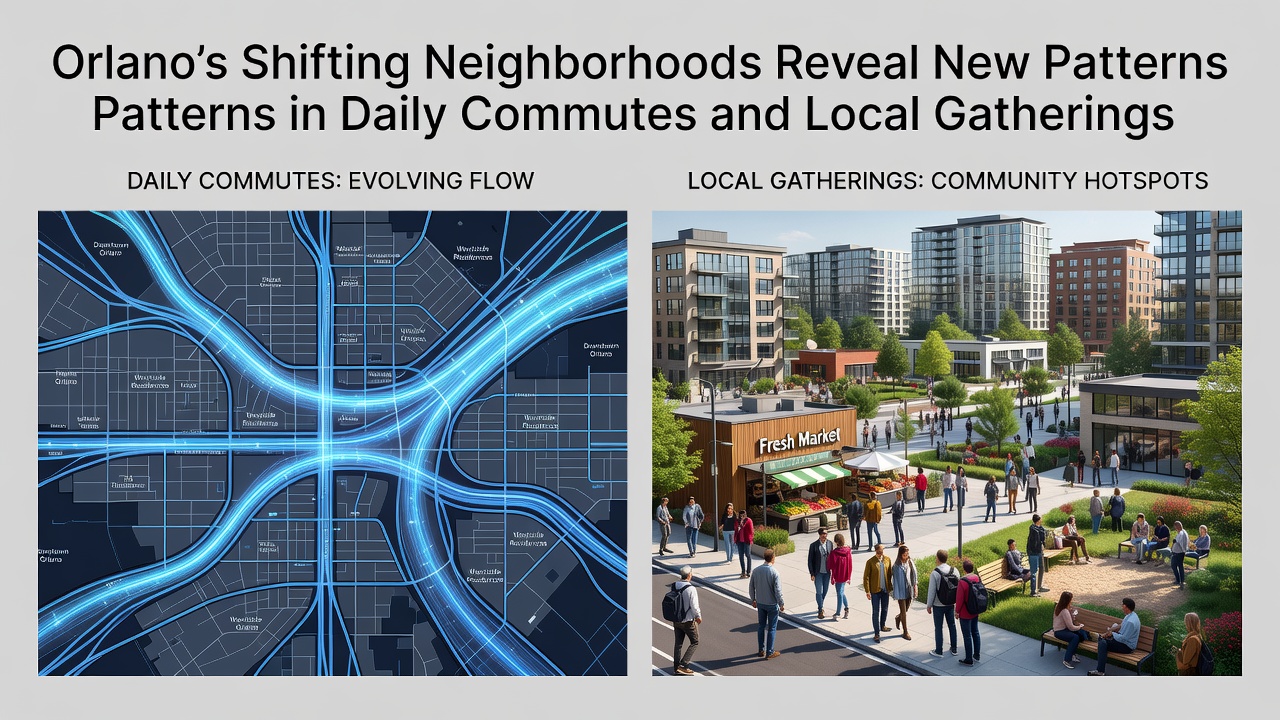
Neighborhood boundaries in Orlano have continued to evolve through 2026, and data collected through September of that year shows clear adjustments in how residents move between home and work while also altering the timing adn location of community events. Census figures and transport surveys indicate that several districts have seen population turnover, with younger professionals settling into areas once dominated by long-term families and older households relocating outward.
Demographic Changes Drive Movement Patterns
Records from municipal planning offices reveal that central districts such as the historic core and adjacent riverside zones recorded a 12 percent rise in residents aged 25 to 34 between 2023 and 2026, while outer suburbs gained households over 55. These shifts coincide with new housing developments that converted former industrial sites into mixed-use buildings, and the resulting redistribution has changed peak-hour flows on both roads and rail lines. Commuters who once traveled inward from peripheral zones now often start their journeys from redeveloped inner neighborhoods, shortening some routes yet lengthening others that cross newly congested corridors.
Commute Adjustments Documented in Recent Surveys
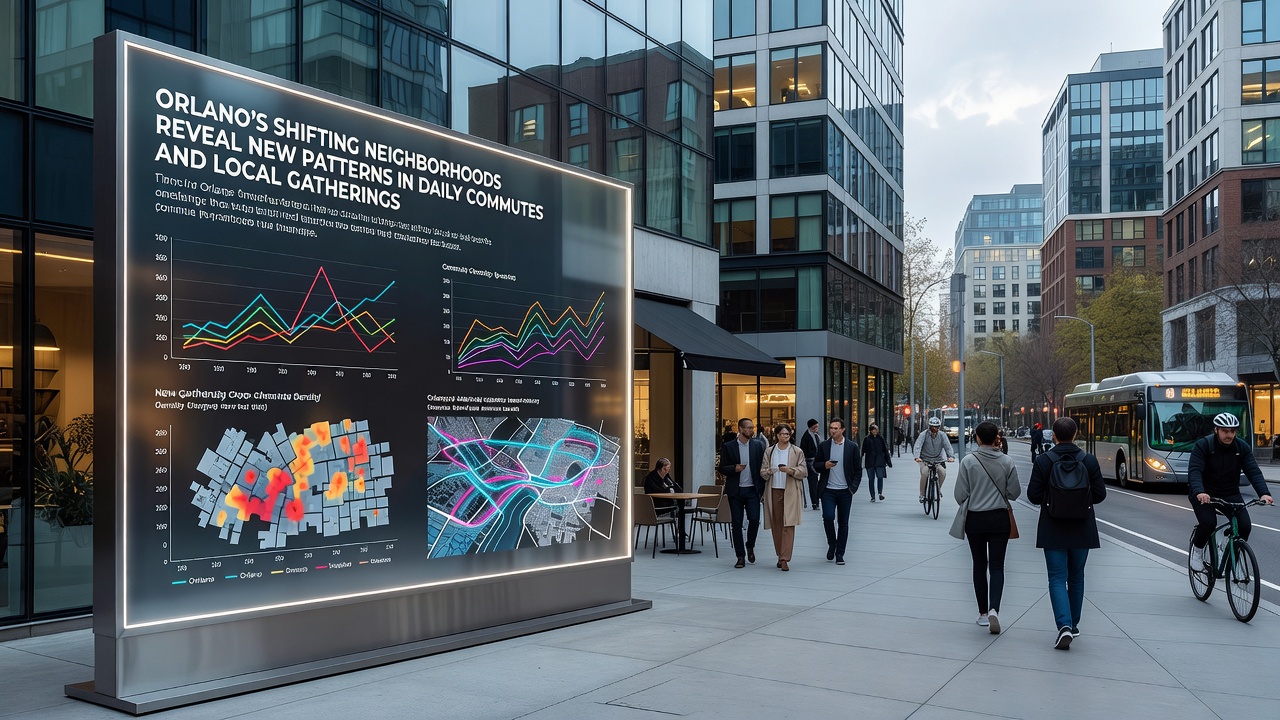
Transport data released in September 2026 by the Orlano Mobility Authority documented a 9 percent increase in bicycle trips within the inner ring and a parallel 7 percent rise in rideshare usage for cross-district travel. Bus ridership on routes serving the riverside districts grew 11 percent year-over-year, while private vehicle counts on the main arterial highway dropped slightly during morning peaks. Researchers at the University of Milan’s urban studies program tracked smartphone location data and found that average commute times stabilized rather than lengthened, because many new residents chose housing closer to employment clusters that expanded along the northern rail corridor.
One longitudinal study released by the European Commission’s mobility unit examined similar mid-sized Italian cities and noted that neighborhoods experiencing rapid turnover frequently adopt flexible work schedules, which in turn spreads out morning and evening travel across a wider window. In Orlano this pattern appears in the form of staggered start times reported by several technology and design firms that relocated offices to the redeveloped waterfront.
Local Gatherings Adapt to New Resident Profiles
Community calendars maintained by district associations show that event locations have migrated toward the same inner zones experiencing demographic change. Weekly farmers markets that operated for decades in the eastern suburbs now host additional pop-up editions near the central station, and attendance logs indicate higher participation from the 25-to-34 cohort. Evening social activities, including language exchanges and maker workshops, have increased in frequency within converted warehouse spaces, while traditional senior-center programs have expanded satellite sessions in outer districts to match the growing older population there.
Figures compiled by the Orlano Cultural Council record a 15 percent rise in registered community events between January and September 2026, with the largest growth occurring in mixed-use developments that combine residential units with ground-floor meeting rooms. Organizers report that many gatherings now incorporate hybrid formats, allowing both in-person attendance and live streaming for participants whose commutes end later in the evening.
Data Sources and Broader Context
According to statistics published by Eurostat transport indicators, Italian cities of comparable size have recorded parallel adjustments in modal share when neighborhood compositions shift. A separate analysis issued by Statistics Canada on urban mobility trends reached similar conclusions about how demographic turnover influences both daily travel and after-hours social patterns. These external benchmarks help frame the Orlano observations within wider European and North American experience.
Conclusion
September 2026 data therefore illustrates measurable realignments in both commute corridors and gathering venues across Orlano, driven by ongoing neighborhood turnover. Continued monitoring by municipal agencies and academic partners will track whether these patterns stabilize or accelerate in subsequent quarters.